
Mulching & Planting Services in New Jersey
Fresh mulch in spring is one of the highest return investments in property appearance and plant health you can make and it’s one of the things homeowners most consistently skip or do inconsistently. Red Maple Landscapes provides mulching and planting services in New Jersey, including garden bed cleanup and seasonal planting, for residential and commercial properties across Central NJ. Clean beds, sharp edges, proper material depth, and plants selected for the conditions they’re going into not just whatever looked good at the nursery.
Get a Free Mulching Estimate →
Locally Owned · Residential & Commercial · Somerset & Union County · 4.8★ Google Rating
Garden beds do a lot of work. They frame the house, buffer the transition from hardscape to lawn, and give trees and shrubs the growing conditions they need. But beds that aren’t maintained become a liability, weed pressure all summer, compacted old mulch that doesn’t hold moisture, plants overgrown into each other or into the hardscape, edges that have lost their definition.
A proper spring bed cleanup and mulching program addresses all of that. It’s not complicated work, but it matters, both for how the property looks and for the health of what’s growing in the beds. We’ve cleaned up and mulched hundreds of properties across North Plainfield, Scotch Plains, Bridgewater, and the surrounding area, and the difference a full day of bed work makes to a property’s appearance is consistently dramatic.
OUR MULCHING AND PLANTING SERVICES IN NEW JERSEY
Garden Bed Cleanup
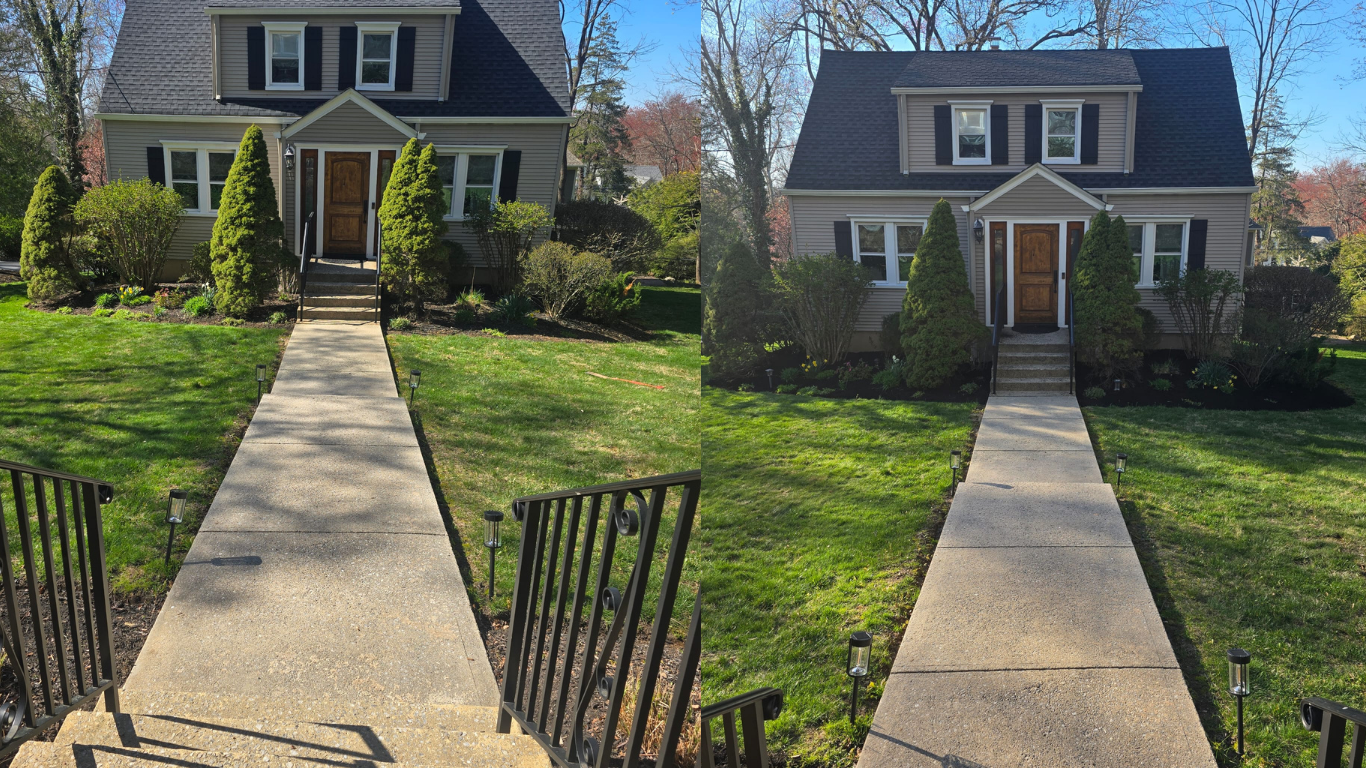
Before fresh mulch goes in, the bed needs to be cleared. We remove dead plant material and winter debris, cut back ornamental grasses and perennials, pull weeds that have emerged, and reshape the bed edge to give a clean definition between the planting area and the lawn. On older beds with compacted, decomposed mulch built up over multiple seasons, we rake out the top layer before applying fresh material so the new mulch can breathe and function correctly.
Mulch Installation
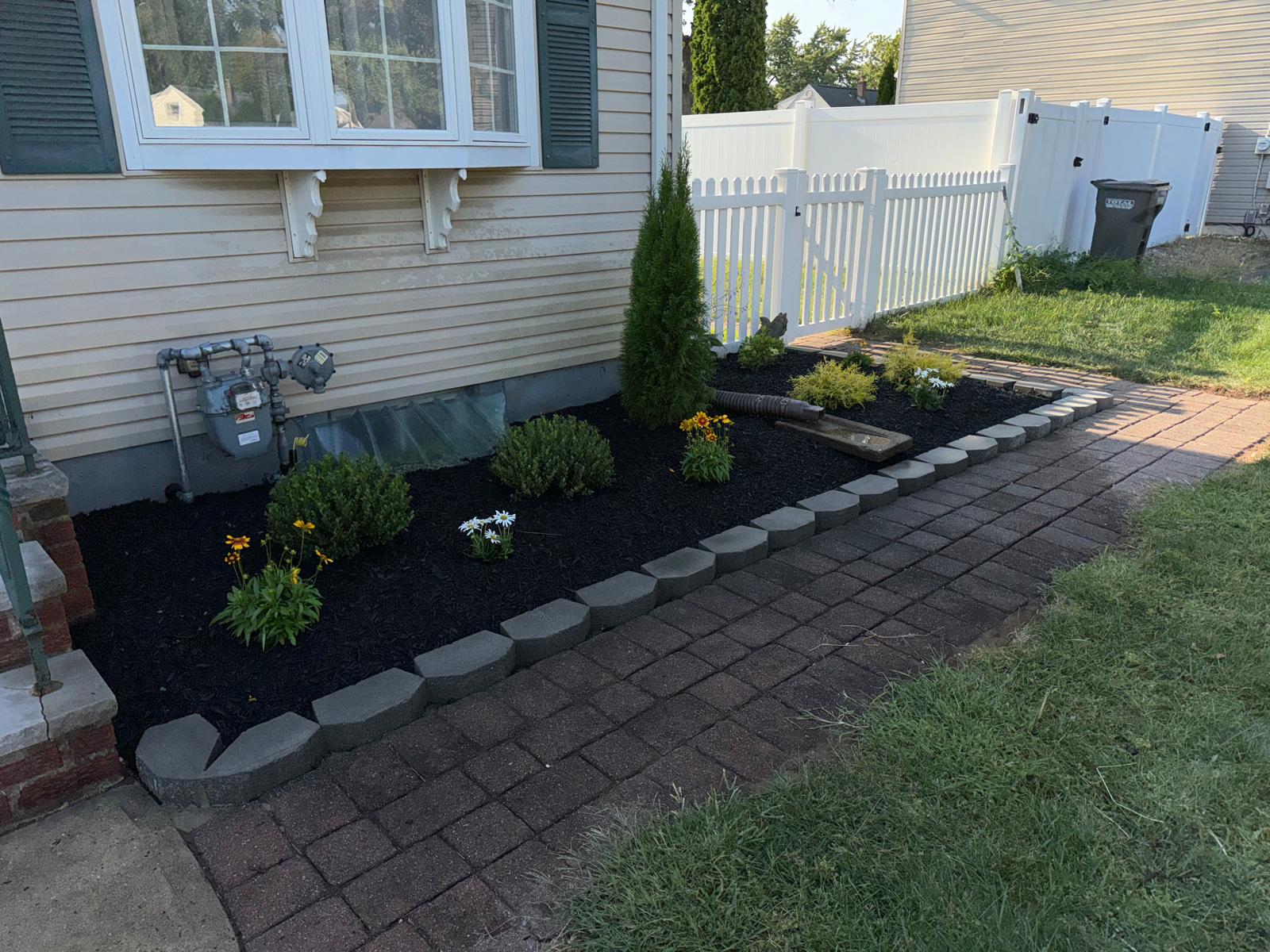
We apply mulch at 2–3 inches the depth that suppresses weed germination effectively without smothering plant crowns or creating conditions for root rot. Common mulch types we use include dyed brown and black hardwood, natural undyed hardwood, shredded cedar, and pine bark nuggets. We don’t apply mulch directly against tree trunks or shrub stems mulch volcanoes against bark create rot and insect habitat, and we see the results of that practice on properties we clean up every spring.
Material quantities are based on actual bed measurement, not estimates. We tell you exactly how many cubic yards are going in and what the material cost is before any work begins.
Bed Edging
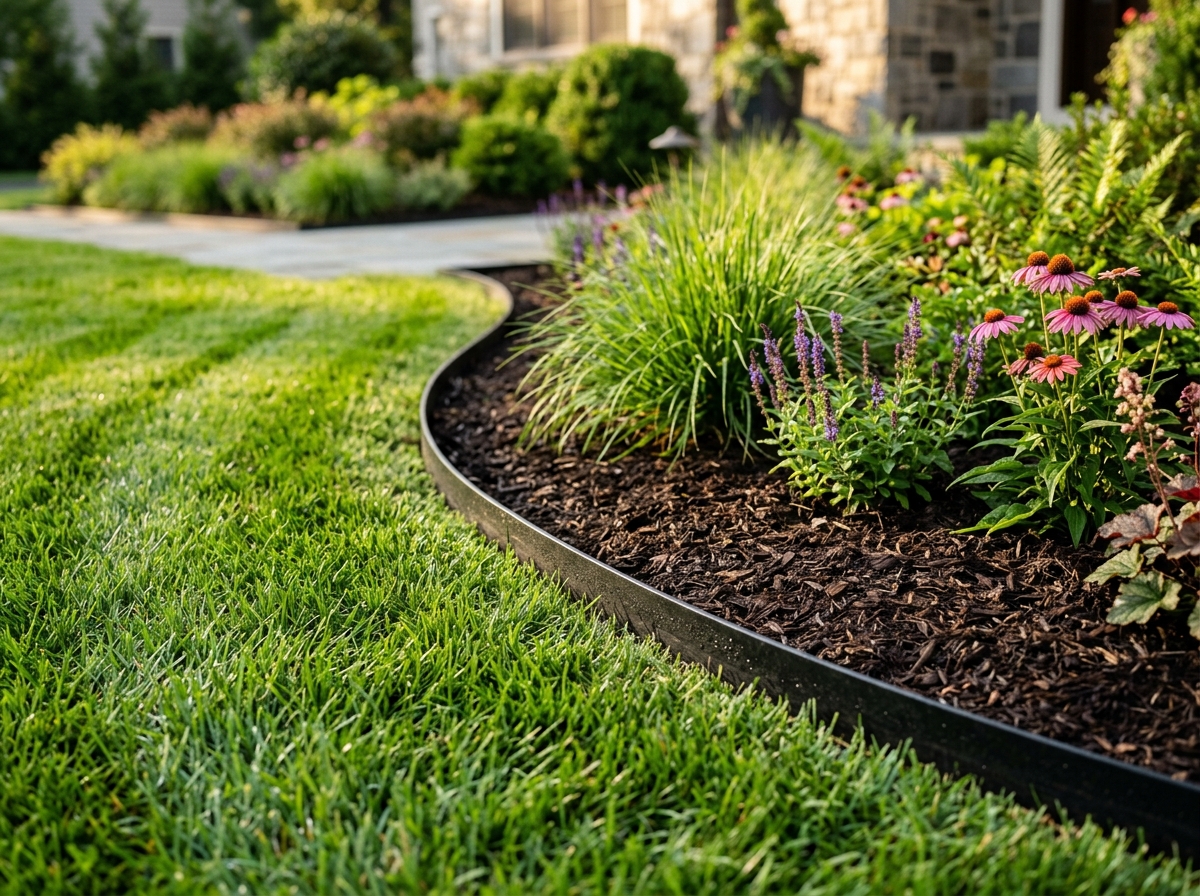
A sharp edge between the planting bed and the lawn transforms the appearance of a landscape. We cut clean mechanical edges that define the bed boundary and prevent grass from encroaching into the mulch. For beds adjacent to hardscape, we clean the joint line between mulch and paver or concrete surfaces.
Annual Flower Planting
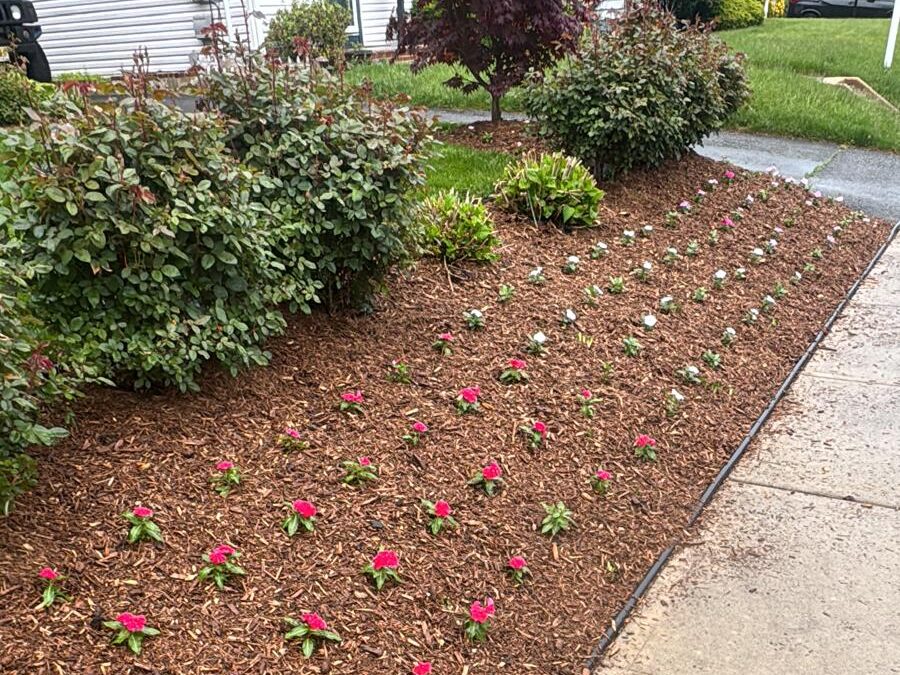
We install seasonal annual plantings, spring and summer rotations, in beds, containers, and entrance planters. Spring installations typically use cold-tolerant varieties: pansies, snapdragons, dianthus, alyssum. Summer rotations bring in heat-tolerant sun and shade annuals matched to each bed’s exposure. We select varieties that will actually perform in the conditions, not just what’s available at the garden center.
For commercial properties and homeowners who want consistent color all season, we provide ongoing annual maintenance, deadheading, fertilizing, and replacing plants that fade, so the planters always look right.
WHY THE RIGHT MULCH DEPTH MATTERS
Too thin, less than 2 inches and mulch doesn’t suppress weed germination effectively. It also dries out too quickly to moderate soil temperature or retain moisture. Too deep, more than 3 inches against plant stems and you create conditions for crown rot, harbor slugs and other pests, and can actually prevent water from reaching the root zone.
The right depth is 2–3 inches, pulled back slightly from plant crowns and tree trunks. That’s the standard we apply on every bed we mulch. It’s not a detail that matters once you see it done correctly and then incorrectly done by someone else.
HOW WE WORK, MULCHING & PLANTING
1. Property Walk & Estimate
We measure your beds, assess what cleanup is needed, discuss mulch type and color, and talk through any planting additions you’re considering. The written estimate includes bed area in square feet, cubic yards of mulch, and itemized labor costs.
2. Cleanup First
We don’t mulch over a dirty bed. Cleanup happens before mulch goes in, removing debris, cutting back plants, pulling weeds, and edging.
3. Mulch Installation
Mulch is applied at the specified depth, distributed evenly, and finished clean at all edges. We don’t pile it against stems or leave it heaped at the entry points where it was dumped.
4. Planting (If Included)
Annuals or new shrubs and perennials go in after mulch is placed, so they’re properly positioned in the fresh bed. We water everything in at completion.
FREQUENTLY ASKED QUESTIONS
What type of mulch is best for New Jersey landscapes?
For most beds, shredded hardwood mulch, either natural brown or dyed black or brown, is the most practical choice. It breaks down over a couple of seasons, adding organic matter to the soil. Cedar mulch is a good option for beds with pest pressure, as cedar has natural insect repellent properties. Pine bark nuggets are durable but tend to float in heavy rain and aren’t ideal for sloped beds. We discuss the right choice for your specific beds during the estimate visit.
How often do beds need to be mulched in NJ?
For most properties, once per year in spring is sufficient the mulch breaks down over the season and replenishing it annually maintains the correct depth. Some properties with heavy foot traffic, steep slopes, or very large bed areas benefit from a light fall top-dressing as well. If mulch is applied at the proper depth each year, it doesn’t pile up excessively because the prior year’s material has partially decomposed.
Do you remove old mulch before installing fresh?
If the existing mulch is more than 3 inches deep, common when beds have been mulched annually for years without ever removing the prior layer, we rake out the top portion before adding fresh material. If the existing mulch has decomposed to less than 1 inch, we can apply fresh material directly on top. We assess each bed during the estimate visit and tell you what’s warranted.
When is the best time to mulch in New Jersey?
Late April to mid-May is the optimal window for spring mulching in Central NJ, after the soil has had a chance to warm up but before weed seeds begin germinating in earnest. Mulching too early in March traps cold in the soil and can delay plant emergence. We schedule mulching jobs based on actual soil temperature and weather conditions, not a fixed calendar date.
Can you plant new shrubs at the same time as mulching?
Yes, and it’s actually the ideal sequence, we install new plantings and then mulch around them so the whole bed looks cohesive and the new plants are properly established from day one. Let us know during the estimate visit if you’re thinking about adding plants, and we’ll discuss options for your specific conditions.